


Եթե միջազգային իրավունքը պատի նման ամուր լիներ, ապա պատը չէր լինի:
Պրոդյուսերի խոսքը
«[…] առաջին կարգի վավերագրական ֆիլմ, որը մեծ լույս է սփռում օրենքի ու քաղաքականության խաչմերուկի վրա, աշխարհի մշտապես խնդրահարույց վայրերից մեկում»
«Երբեք չեմ լսել, որ դատավորներն այդքան անկեղծորեն խոսեն միջազգային իրավունքի մասին. այս ֆիլմը սուր բանավեճերի առիթ կհանդիսանա: Բոլոր գրադարանների իրավաբանական բաժինները պարտադիր կերպով պետք է ունենան այս ֆիլմը»
BROKEN ֆիլմի ծագումը
Ստեֆան Զիգլեր
BROKEN ֆիլմի պրոյեկտի նախաձեռնող-հեղինակ և պրյոդուսեր
Պաղեստինում Իսրայելական պատի պատմությունը և դրա ամենօրյա ազդեցությունը պաղեստինցիների կյանքի վրա ներկայացվել է տարբեր տեսանկյուններից: Մյուս պատմությունը՝ միջազգային իրավունքի դրժված խոստումը և Պատի պատմությունը դեռևս հարկ կա պատմելու: «BROKEN» ֆիլմը հենց այդ պատմությունն է ներկայացնում: 2004 թ. -ին Արդարադատության միջազգային դատարանը (ԱՄԴ) պատը ճանաչեց անօրինական և կոչ արեց պետություններին աջակցել Խորհրդատվական եզրահանգմանը: Թեև միջազգային ներկայացուցիչները խոստացան իրենց կառավարությունների աջակցությունը ՄԱԿ-ի Գլխավոր ասամբլեայում, մինչ օրս շոշափելի արդյունքներ չեն գրանցվել, ընդհակառակը, Պատի շինարարությունը ավարտման փուլում է
Որպես Կարմիր Խաչի միջազգային կոմիտեի պատվիրակ, այնուհետև որպես ՄԱԿ-ի Արգելքների Մոնիթորինգի ստորաբաժանման ղեկավար և այժմ որպես կինոպրոդյուսեր 2005 թվականից աշխատում եմ Պատի գոյությամբ առաջացած հետևանքների փաստաթղթավորման վրա: Այն ամբողջ փորձը, որ ես ձեռք էի բերել իմ կյանքի ընթացքում ներդրեցի աշխատանքի մեջ, որը կարող էր անել միայն անկողմնակալ անձը: Երբ 2013 -ի մայիսին իմ ղեկավարած բաժանմունքը լուծարվեց միջոցների սղության և կամքի բացակայության պատճառով, իմ աշխատանքը անսպասելի կերպով ավարտվեց: Ինքս ինձ հարց տվեցի՝ կարո՞ղ եմ հանգիստ կերպով թողնել իմ աշխատանքը այստեղ և կարիերաս շարունակել այլուր: Արդյո՞ք բարոյապես կհաշտվեմ ինքս ինձ հետ, եթե պարզապես թողնեմ աշխատանքս և անցնեմ այլ աշխատանքի: Կարո՞ղ եմ անտեսել մի թեմա, որը ես գիտեմ ավելի խորը, քան որևէ մեկը: Կարո՞ղ եմ առանց ափսոսանքի լքել բոլոր այս անթիվ-անհամար մարդկանց և բոլոր այն համայնքները, որոնք ուղղակիորեն տուժել են Պատից
Read the entire Producer's Statement
Համառոտ ամփոփում
Մենք ապրում ենք մի աշխարհում, որտեղ միջազգային կոշտ սահմանները կառուցվում են ավելի արագ և ավելի մեծ թվով, քան երբևէ պատմության մեջ: Բեռլինյան պատի փլուզումից ի վեր արդեն առկա է գրեթե 70 –ը: Չինական պատը արդեն ոչ գործածելի էր դեռ կառույցը չավարտված: Հյուսիսային Իռլանդիայի <<Խաղաղության պատերը>> որպես այդպիսին, ավելի քիչ համբավ ունեն: Ամերիկացի մի նախագահ մտադիր է պատ կառուցել, ինչի պատճառով կտուժեն պատից այն կողմ գտնվողները
Իսրայելի կառավարությունը 2002 թվականին Հորդանան գետի արևմտյան ափին ՝ «Կանաչ գծի» պաղեստինյան կողմից սկսեց 700 կմ երկարությամբ պատի կառուցումը: Երկու տարի անց, 2004 թվականի իր Խորհրդատվական եզրակացության մեջ Հաագայի միջազգային դատարանը (ICJ) անօրինական ճանաչեց Պաղեստինի օկուպացված տարածքում պատի կառուցումը: Պաղեստինցիները և միջազգային հանրության շատ ներկայացուցիչներ Դատարանի կարծիքը դիտեցին որպես բեկումնային կետ ձգձգվող հակամարտությունում: Այսօր՝ ավելի քան 14 տարի անց, արդյունքը զգաստացնող է. Իսրայելը ո՛չ հեռացել է Պատից, որը երկու անգամ բարձր է և չորս անգամ ավելի երկար, քան Բեռլինի պատը, ո՛չ էլ որևէ փոխհատուցում է կատարել: Ընդհակառակը, Պատի շինարարությունը ավարտման փուլում է, և պետությունների մեծ մասը քիչ ջանքեր է գործադրել կառույցի դադարեցումը ապահովելու համար՝ չնայած իրենց ստանձնած պարտավորություններին
(BROKEN)– Պաղեսինյան Ճանապարհորդություն ըստ Միջազգային Իրավունքի վավերագրական ֆիլմ է միջազգային իրավունքի, նրա դրժած խոստումների, Միջազգային դատարանի, Պաղեստինում Իսրայելի պատի և միջազգային հանրության պարտականությունների ու բացթողումների մասին. օրենքի, քաղաքականության և ուժի խճճված ցանց, ինչպես նաև այն մասին, որ պատմությունը հրաժարվում է թերթել էջը: Հզոր տեսարանները պատկերում են Պատի հետևանքները այն մարդկանց վրա, որոնց առօրյա կյանքը տուժում է: Ֆիլմը ներկայացնում է միջազգային ճանաչում ունեցող իրավաբանների, Միջազգային դատարանի դատավորների, փորձառու դիվանագետների և Պատը կառուցած իսրայելցի զինվորականի անկեղծ վկայությունները: Որսացե՛ք այս կարևոր պահը, երբ կինոռեժիսորը ճանապարհորդում է երեք մայրցամաքներով` ձեռք մեկնելու համար հենց այն մարդկանց, որոնց մտորումները միջազգային իրավունքի, մարդու իրավունքների և, ի վերջո, խաղաղության ապագան են կերտում
Ֆիլմը մտահղացվել և ստեղծվել է ՄԱԿ-ի Հորդանան գետի արեւմտյան ափին կառուցված Պատի հումանիտար ազդեցությունների մոնիթորինգի գծով նախկին փորձագետի կողմից


Currently one of the major documentary directors of Palestinian cinematography, Mohammed Alatar was trained as a filmmaker at the end of the 90’s in the USA.
His past working experiences include positions as Future Stories Director for CBS News, Media Advisor to UNDP and the Ministry of Jerusalem Affairs. In 2002, he founded and directed « Palestinian for Peace and Democracy».
With a profound commitment to human rights and his people’s struggle, Mohammed Alatar defines himself more as a human rights activist than as a filmmaker. He uses his work to promote his ideas and convictions around the world, giving scope to the causes and values that he defends. His mentors are Oliver Stone and the Egyptian director Yousef Chahin, who are « people who make movies with a message, not just entertainment ».
In 2006, Mohammed Alatar released « The Iron Wall », a film about the establishment of Israeli settlements in the West Bank, which also covers the controversial construction of the Israeli Wall in the West Bank. The film argues that settlements are the visible aspect of a strategy for permanent occupation of the territory. «The Iron Wall» follows the timeline of the settlements and examines their effect on the peace process.
Referring to the Wall and the film, former US President Jimmy Carter said: “The best description of the barrier, it’s routing and impact is shown in the film The Iron Wall.”
In 2008, Mohammed Alatar released “Jerusalem the East Side”, one of the most- viewed political documentaries in Palestine. It presents the effects and injustices of the 42-year Israeli occupation of East Jerusalem”.
His current documentary project, « Broken » attempts to explain why nothing has been done to stop Israel from continuing to build the Wall, and why after the ICJ declared it illegal in 2004 it has not been dismantled.
From my house in the occupied Palestinian city of Ramallah I can see how the Wall encircles the city, blocking our horizon and imposing itself on the way we live, move and exist.
My first major film, “The Iron Wall”, was about this very subject. It was released a few months after the 2004 International Court of Justice’s Advisory Opinion. Then, I had hoped soon to see the end of the story of the Wall and its dismantlement. How naïve I was; the Wall is still there, titanic.
So when Stefan Ziegler, former head of the UN’s Barrier Monitoring Unit, suggested making a documentary about the ICJ opinion, my immediate answer was “yes”. The idea of “Broken” was born.
Our combined experience and the existence of enormous amounts of film archives from that time, allow us to reconstruct more than a decade of the Wall piece-by-piece, zooming in on the trail the Wall has left on the ground and in the International Community.
Many questions haunt me. What was the cause behind the international community’s failure to uphold the legal obligations, including “to respect and to ensure respect” of international humanitarian law? How can two UN resolutions and an ICJ Advisory Opinion be so easily disregarded, without action? Who is to be held responsible for such a failure? What does the failure to implement these high-level decisions mean for international (humanitarian) law and its relevance today? And where can the people whose lives were ruined by the Wall seek justice, and by which means? “Broken” is my attempt to address these questions.
“Broken” takes a direct and factual approach to the story, coming in from different angles and capturing the reality of the Wall. The story is supported by a very distinguished group of characters: judges, diplomats, experts, United Nations officials as well as Israeli and Palestinian voices. When the last image of “Broken” fades from the screen, some of these questions will be answered, others will be raised, and a whole tangled web of law, politics and power is exposed.
Interviewees


History & Facts
Palestine was among former Ottoman territories placed under UK administration by the League of Nations in 1922. From 1922 to 1947, there was large-scale Jewish immigration. Israel proclaimed its independence and in the 1948 war involving neighbouring Arab States expanded to 77 percent of the territory of mandate Palestine. Over half of the Palestinian Arab population fled or were expelled. In the 1967 war, Israel occupied the Gaza Strip and the West Bank, the remaining Arab-controlled territories. The war brought about a second exodus of Palestinians, estimated at half a million. The Security Council in resolution 242 formulated the principles of a just and lasting peace, including an Israeli withdrawal from territories occupied in the conflict, a just settlement of the refugee problem, and the termination of all claims or states of belligerency. Subsequent negotiations culminated in the signing in 1993 by Israel and the Palestinians of the Declaration of Principles on Interim Self-Government Arrangements (“Oslo Accords”), which deferred certain issues.
Various further negotiations failed to yield a permanent status agreement. In 2000 began a second intifada (“uprising”) by the Palestinians, the first having been between 1987 and 1993. In 2002 Israel began the construction of a West Bank separation wall, located mostly within the Occupied Palestinian Territory, ruled illegal by the International Court of Justice. A new round of negotiations begun in 2013 was suspended by Israel in April 2014. Another round of fighting between Israel and Gaza took place in July-August 2014.
Excerpted from HISTORY OF THE QUESTION OF PALESTINE, The United Nations Information System on the Question of Palestine (UNISPAL)  Click here
Interview with Christine Leuenbergerہ, Border Studies Expert.
Click here

Learning Tools & Opportunities
BROKEN is of educational value. Stefan Ziegler, producer and initiator of the film, has 20 years of humanitarian experience and a background in praxis-oriented training and lecturing internationally. Find his carefully crafted educational tools for a variety of audiences and events.
Film Events & the Media

EU Parliament
To be confirmed

Derry Arts and Human Rights Festival
December 2020

Northern Ireland Human Rights Festival
NIHRF
December 2020

Società Italiana di Diritto Internazionale e Diritto dell’Unione Europea
SIDI
November 2020

Dublin Arts and Human Rights Festival
DAHRF
October 2020

Boston Palestine Film Festival
October 2020
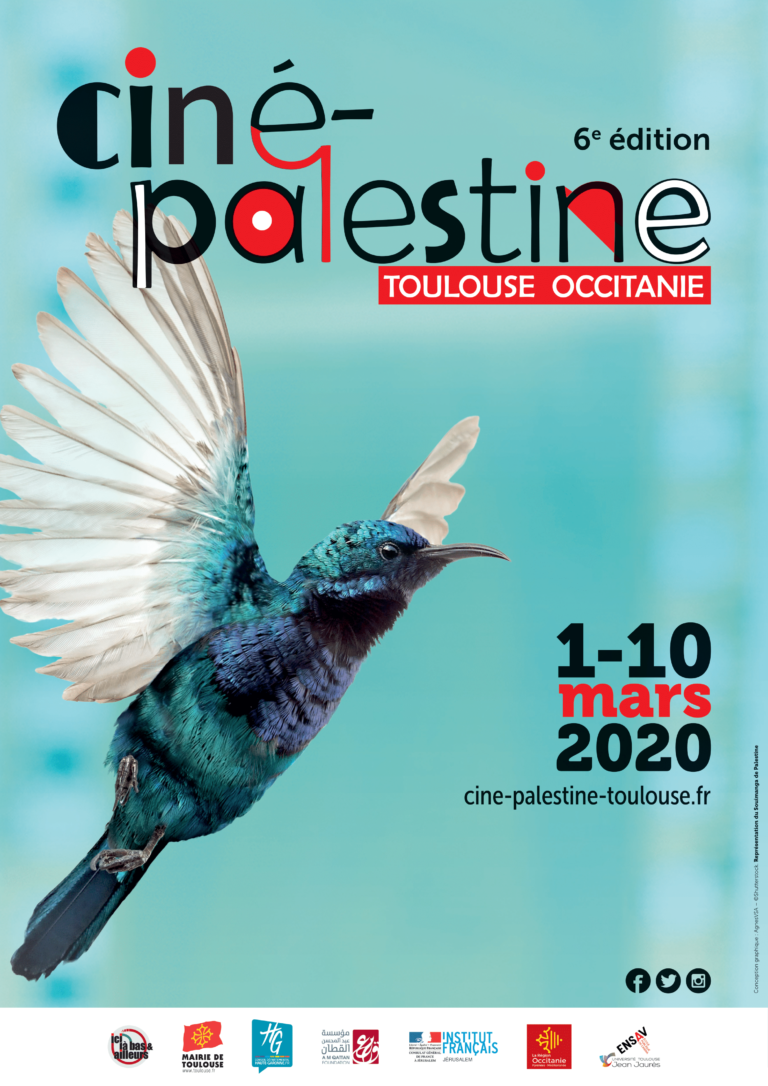
Ciné-Palestine Toulouse Occitanie
March 2020

Festival de Cinema i Drets Humans de Barcelona XVIè features BROKEN on the first night of the film festival.
Barcelona, November 2019

Screening and debate with the director at Institut für Entwicklung und Frieden (INEF) of Universität Duisburg-Essen, Centre & the EZEFParliament.
Duisburg, November 2019

A l’occasion de la journée mondiale « Pour un monde sans mur »!
Paris, le 06 Novembre 2019

ICRC Alumni Chapter Geneva on the occasion of the 70th Anniversary of the Geneva Conventions presents screening of BROKEN with debate on IHL, Geneva
17 October 2019

Austrian World Youth Symposium
Alpbach, Austria
(24, August) 2019

BROKEN’s 1st Italian Tour was held on 09/07 in Rome; 11/07-Naples; 12/07-Modena; and 14/07-Turin; debating the subject: “If International Law was as strong as the Wall, there wouldn’t be one!”
(9 July) 2019

AdvocacyProductions organized two concurrent events on the 9th of July commemorating the15th Anniversary of ICJ’s Wall Opinion in Geneva and Rome. BROKEN was followed by lively debates entitled: “15th Anniversary of ICJ’s Wall Opinion: What’s left?”
(9 July) 2019

Grenoble, France
(21 May) 2019

Al Ard [doc] Film Festival. Cagliari, Sardinia, Italy.
(12-16 May) 2019

Visions du Reel, industry catalog.
April 24- May 2, 2019

Graduate Institute of International and Development Studies, Geneva.
Wednesday, March 13, 2019 at 18:15 – 20:30

Human Rights Council 40th Session
Spring 2019

PALESTINE FILMER C’EST EXISTER
29.11 — 05.12.2018

PALESTINE CIMEMA DAYS by Filmlab Palestine
22.10.2018

TORONTO PALESTINE
20 — 23.09.2018
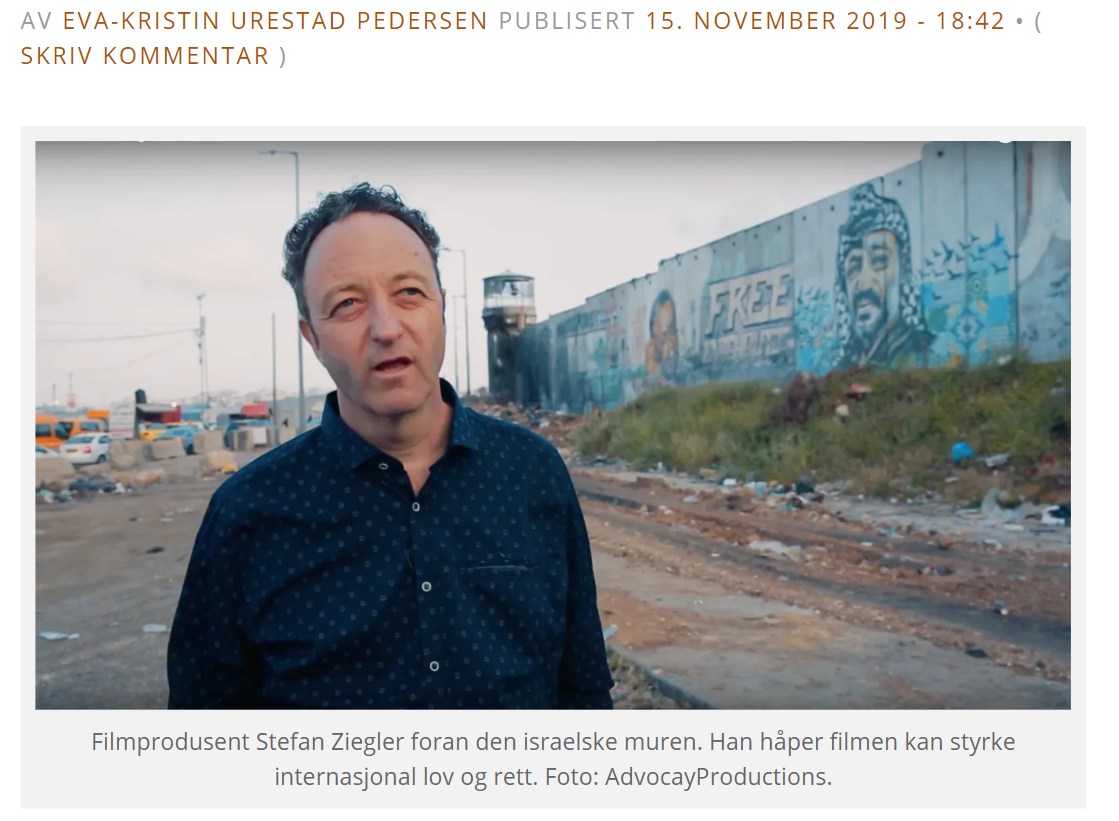
TRANSIT
“Sterk dokumentar om internasjonal rett og muren på Vestbredden”
EVA-KRISTIN URESTAD PEDERSEN 15 NOVEMBER 2019

Le Courrier
“Les promesses du droit ont été brises”
Achille Karangwa 20 Nov. 2018


MONDOWEISS
“The way forward may be buried in the wall Middle East”
Sam Bahour, August 3, 2018


Middle East Eye
International law gave a clear ruling against Israel’s wall. But nothing happened
Avi Shlaim, 29 July 2018


Salon
Why does Israel’s illegal separation wall still stand?
In his new documentary, “Broken,” Palestinian-American filmmaker Mohammed Alatar looks for answers
RACHEL LEAH, MAY 26, 2018

UN Headquarter
BROKEN producer Stefan Ziegler opens press conference at UN ahead of screening and debate at the Human Rights Council on March 18, 2019 at UN headquarter in Geneva.


POLITYKA
Interview with Mohammed Alatar, BROKEN’s director

Palestinian TV
the UN sneak preview of BROKEN, 21 Nov. 2018
Palestinian TV’s interview (Arabic) with Stefan Ziegler


TRS
Espace 2, RTS Swiss Radio interview (French) with Producer Stefan Ziegler


PRIZE FOR THE BEST DOCUMENTARY FEATURE FILM from Maracary International Festival in Venezuela,
June 2019

Broken A Palestinian Journey through International Law by Mohammed Alatar has won the Audience Award and a Special Mention from Al Ard Documentary Film Festival, XVI edition Sardinia (Italy) (11- 16 March, 2019) “as the film accurately documents the ongoing Israeli violation of international laws, UN resolutions and the verdicts of the International Court of Justice, exemplified by the verdict on the apartheid wall. The documentation attests to a long research work that also highlights the motivations of the judges of the International Court.”
Broken A Palestinian Journey through International Law by Mohammed Alatar has won the Audience Award and a Special Mention from Al Ard Documentary Film Festival, XVI edition Sardinia (Italy) (11- 16 March, 2019) “as the film accurately documents the ongoing Israeli violation of international laws, UN resolutions and the verdicts of the International Court of Justice, exemplified by the verdict on the apartheid wall. The documentation attests to a long research work that also highlights the motivations of the judges of the International Court.”

Be Part of It
Our Made it from Palestine branded products, manufactured or finished in Palestine, and delivered to your doorstep, will be for sale shortly.
Donate or become a Goodwill Ambassador for our ongoing educational projects: extending our online E-learning course and the financing of a scholarship for postgraduate students dedicating their thesis to relevant topics.
AdvocacyProductions Sàrl
(limited company) is a Geneva-based film
production company whose strategy is to partner with
aid organisations, in Geneva, the humanitarian capital of
the world, as well as with academic institutions anywhere to
produce short and medium-length films. We have produced some
short educational film clips for university programmes and as
a company “BROKEN” is our first major documentary film
production. We are a small team of specialists with expertise
in humanitarian and development related work with
a common understanding of the importance film
projects play in giving voice to the
voiceless.
AdvocacyProductions Sàrl (limited company) is a Geneva-based film production company whose strategy is to partner with aid organisations, in Geneva, the humanitarian capital of the world, as well as with academic institutions anywhere to produce short and medium-length films. We have produced some short educational film clips for university programmes and as a company “BROKEN” is our first major documentary film production. We are a small team of specialists with expertise in humanitarian and development related work with a common understanding of the importance film projects play in giving voice to the voiceless.

AdvocacyProductions Sàrl
Place de Grenus 4
1201 Genève
Suisse
info@advocacyproductions.ch www.advocacyproductions.ch
Ian Green
Spokesperson & Media
Ian.green@advocacyproductions.ch
Follow “BROKEN – A Palestinian Journey Through International Law” now also on Social Media:
